
When ordering ultra-premium photographic prints, the choice of paper is just as important as the image itself. Two of the most respected options in professional printing are Fine Art and Baryta photo papers.
Both are considered museum-grade and archival, yet they produce very different visual and tactile results. Understanding the distinction helps photographers, artists and collectors choose the perfect surface for their work.
At our photo lab, we offer both Fine Art and Baryta papers for ultra-premium digital prints and analogue prints from negatives, ensuring exceptional quality regardless of your workflow.
What Is Fine Art Paper?
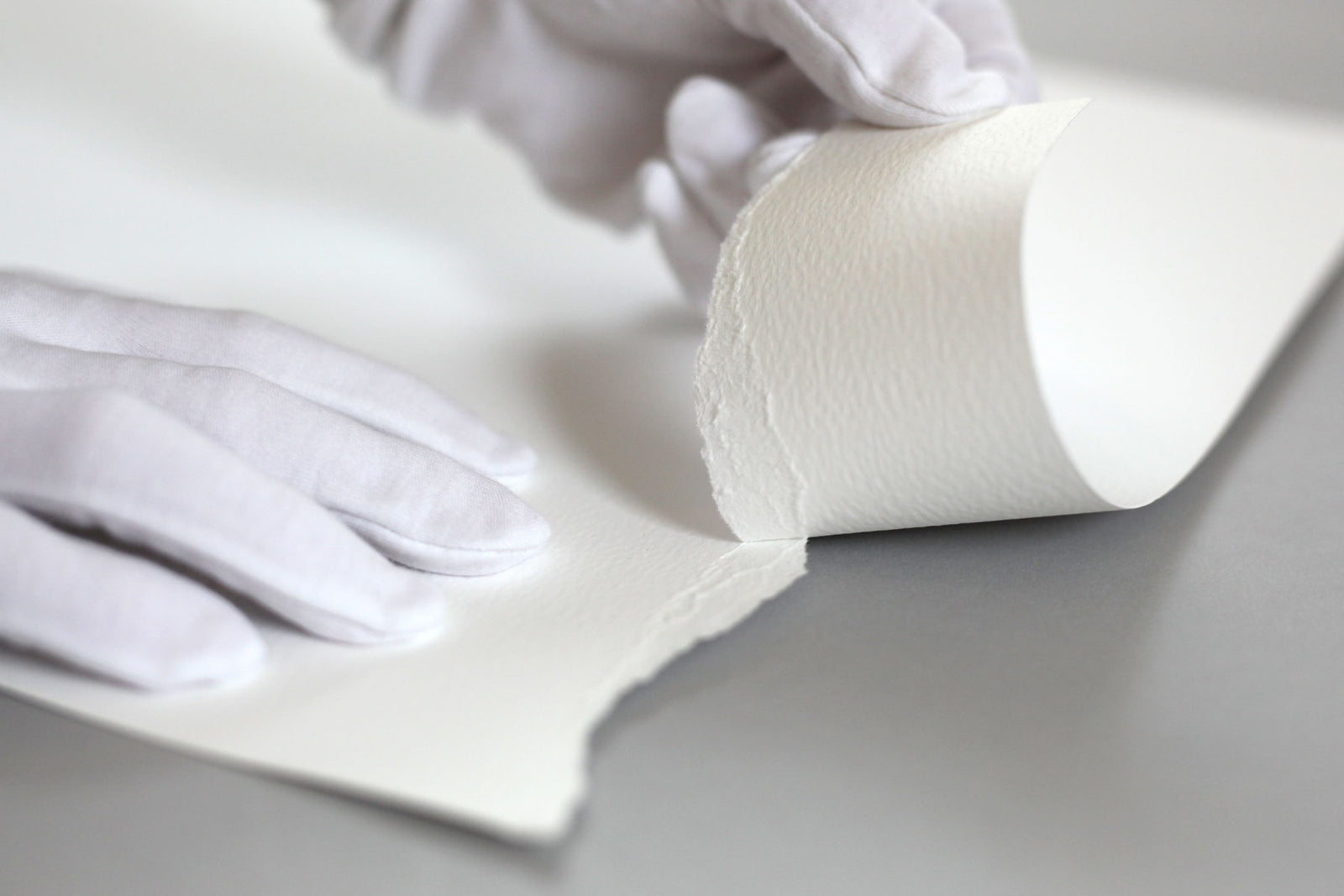
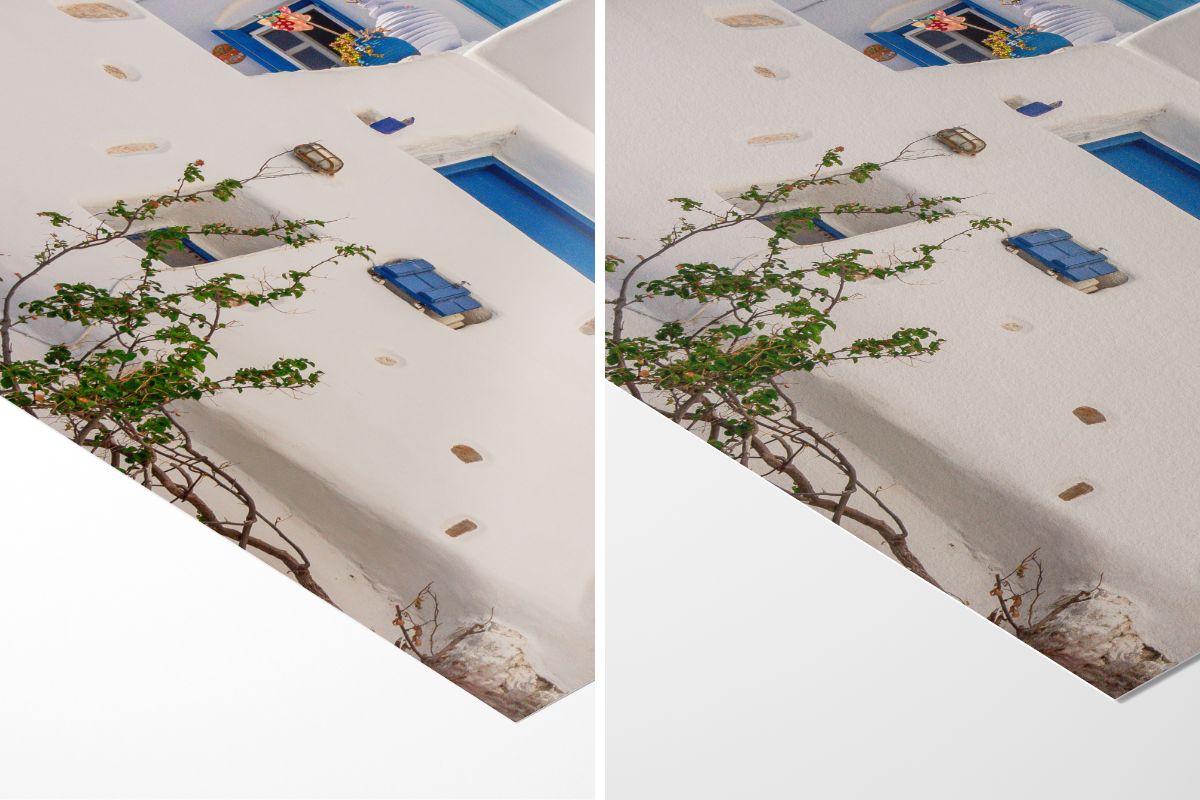
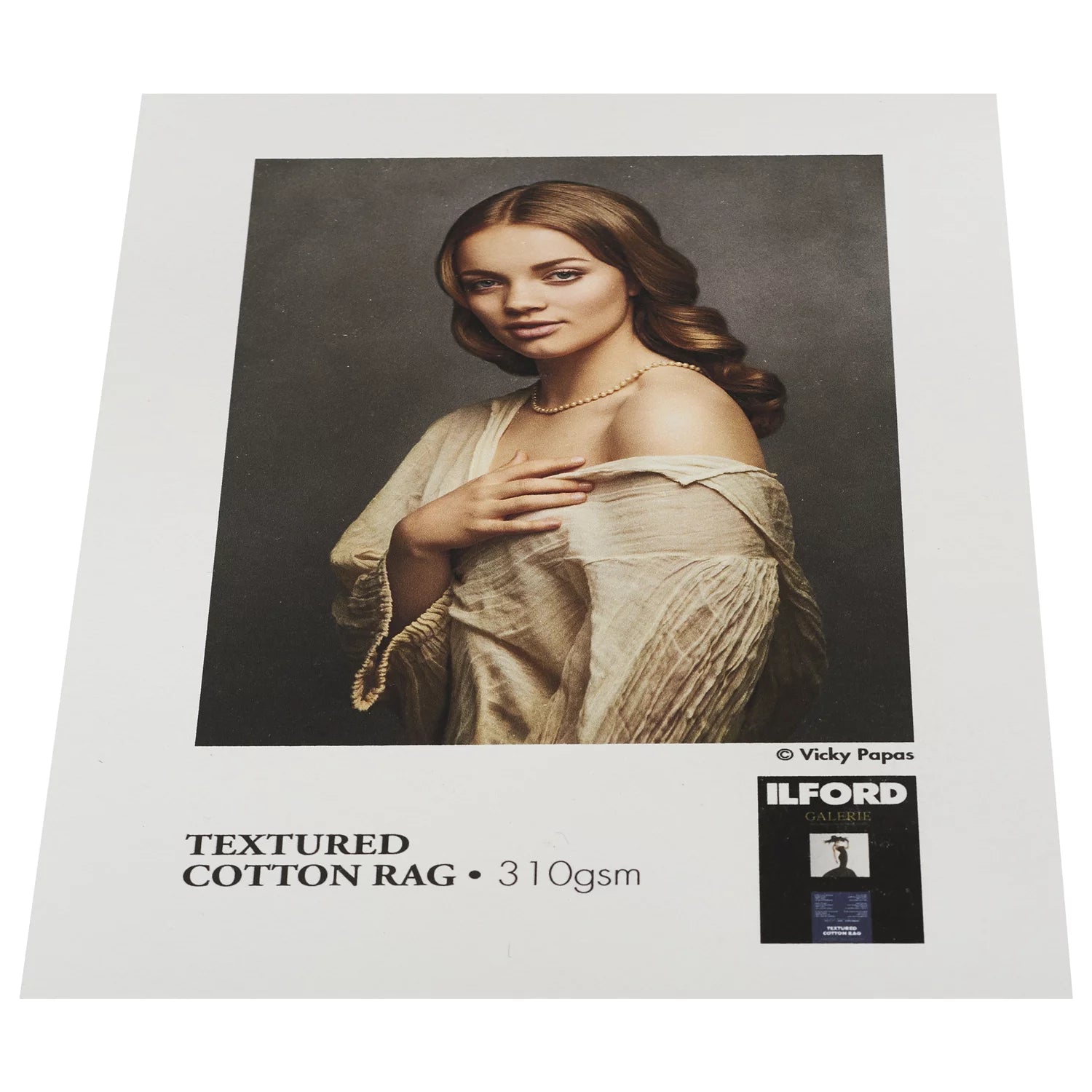
Fine Art paper typically refers to 100% cotton rag or high-grade alpha cellulose paper designed for museum-quality reproduction.
Key Characteristics
-
Matte or lightly textured surface
-
Soft, non-reflective finish
-
Thick, luxurious feel (often 250–320gsm)
-
Acid-free and lignin-free
-
Archival longevity (100+ years with pigment inks)
Visual Appearance
Fine Art papers produce:
-
Subtle tonal gradations
-
Gentle contrast
-
A painterly, organic aesthetic
-
Minimal glare under gallery lighting
They are especially favoured for:
-
Portrait photography
-
Fine art reproduction
-
Black and white imagery
-
Minimalist and soft-toned compositions
What Is Baryta Paper?
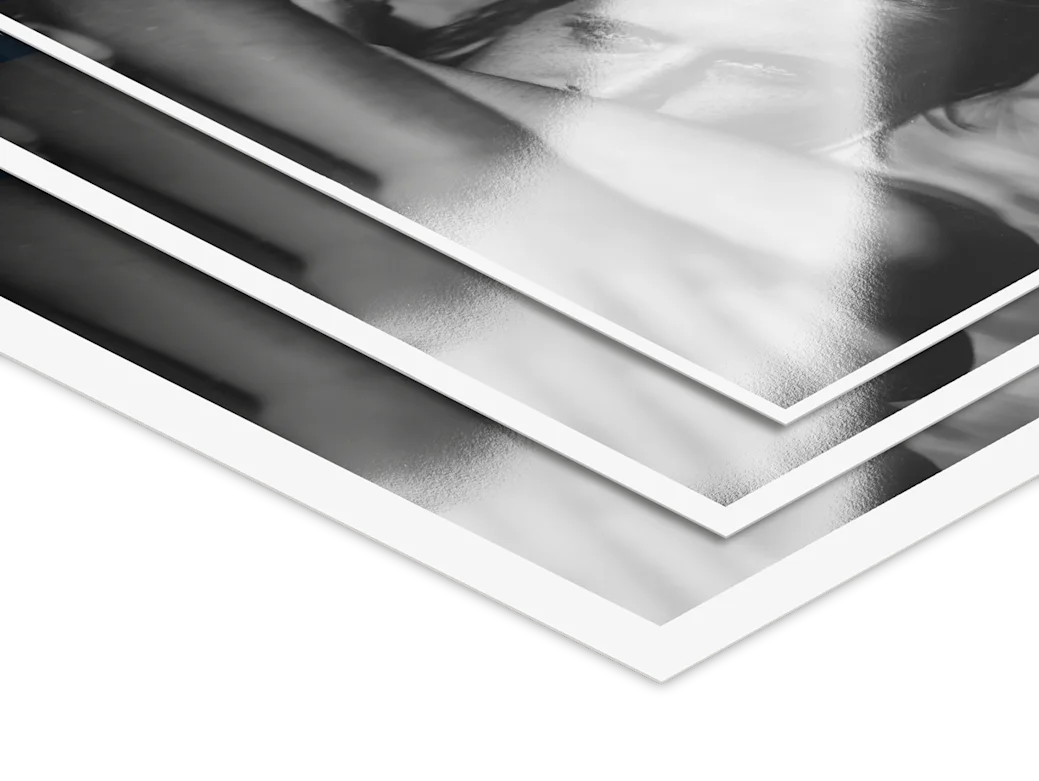

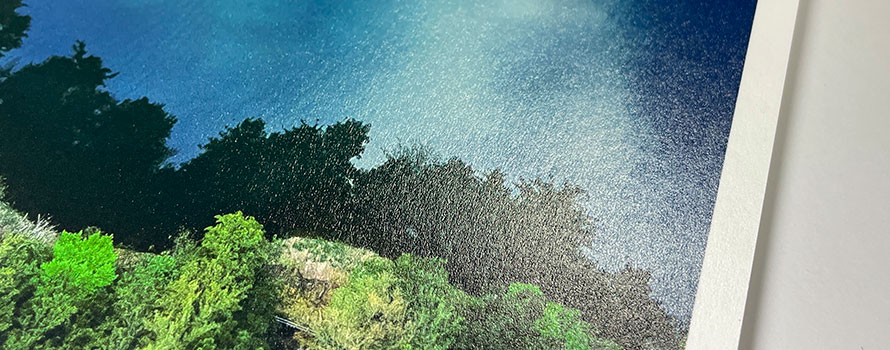
Baryta paper is inspired by traditional darkroom fibre-based photographic papers. Historically, a barium sulphate (baryta) layer was applied beneath the emulsion to enhance brightness and tonal depth.
Modern inkjet baryta papers replicate this structure.
Key Characteristics
-
Smooth satin or semi-gloss surface
-
Higher D-max (deeper blacks)
-
Increased contrast and sharpness
-
Slight sheen without harsh gloss
-
Archival, museum-grade construction
Visual Appearance
Baryta papers deliver:
-
Rich, deep blacks
-
Brilliant highlights
-
Strong contrast
-
Exceptional detail and clarity
They are often chosen for:
-
Exhibition prints
-
Dramatic black & white photography
-
High-contrast landscapes
-
Fashion and commercial imagery
Fine Art vs Baryta: The Core Differences
| Feature | Fine Art Paper | Baryta Paper |
|---|---|---|
| Surface | Matte / textured | Satin / semi-gloss |
| Reflection | Minimal | Slight sheen |
| Contrast | Soft, subtle | Strong, punchy |
| Black Depth | Gentle | Very deep |
| Texture | Visible fibre texture | Smooth |
| Best For | Artistic, painterly work | High-impact exhibition prints |
In simple terms:
-
Fine Art paper feels more organic and expressive.
-
Baryta paper feels more dramatic and photographic.
Neither is “better” — they serve different artistic intentions.
Why Professionals Choose Fine Art and Baryta Papers
Professional photographers do not choose paper randomly. The substrate influences how the image is perceived.
1. Archival Longevity
Both Fine Art and Baryta papers are:
-
Acid-free
-
Lignin-free
-
Designed for long-term stability
When paired with pigment inks or traditional darkroom processes, they offer museum-grade durability.
Collectors and galleries expect this level of permanence.
2. Elevated Presentation
Premium papers provide:
-
Greater depth
-
Superior tonal transitions
-
Enhanced tactile experience
The weight and texture immediately signal quality — something standard photo paper cannot replicate.
3. Market Value
Limited editions and gallery prints require materials that justify their pricing.
Using museum-grade paper:
-
Protects the artist’s reputation
-
Meets collector expectations
-
Increases perceived and actual value
4. Precision in Analogue and Digital Workflows
At our lab, we specialise in both:
-
Ultra-premium digital pigment prints
-
Traditional analogue prints from photographic negatives
Fine Art and Baryta papers perform exceptionally well in both processes.
For analogue darkroom printing, baryta fibre papers remain the gold standard for depth and richness. For high-resolution digital files, both paper types allow extraordinary detail reproduction using advanced pigment printing systems.
This means you can achieve:
-
True exhibition quality
-
Archival permanence
-
Consistency across film and digital projects
When to Choose Fine Art Paper
Choose Fine Art if you want:
-
A soft, timeless aesthetic
-
A painterly quality
-
Reduced reflections in bright display spaces
-
A tactile, textured finish
Ideal for:
-
Portrait series
-
Fine art collections
-
Museum submissions
-
Subtle black & white work
When to Choose Baryta Paper
Choose Baryta if you want:
-
Deep blacks and luminous highlights
-
Strong contrast
-
High visual impact
-
A classic darkroom aesthetic
Ideal for:
-
Exhibition centrepieces
-
Dramatic landscapes
-
High-contrast monochrome
-
Fashion and editorial photography
Our Ultra-Premium Print Service
We offer:
-
Museum-grade Fine Art papers
-
Exhibition-quality Baryta papers
-
Pigment-based digital printing
-
Analogue darkroom prints from negatives
-
Custom sizing and professional finishing
Every print is produced with meticulous colour management and archival standards to ensure exceptional longevity and presentation.
Whether you are working from a high-resolution digital file or a carefully exposed negative, we ensure the final print reflects the full artistic intent of your work.
Final Thoughts
The difference between Fine Art and Baryta paper is not merely technical — it is aesthetic and emotional.
-
Fine Art speaks softly, with depth and texture.
-
Baryta speaks boldly, with richness and intensity.
For professionals, the choice of paper is part of the artistic decision-making process.
If you are unsure which surface best suits your project, our team is always happy to guide you in selecting the perfect archival paper for your ultra-premium print.
Your image deserves more than standard paper — it deserves a surface that enhances its story.