
When investing in ultra-premium photographic prints, the term archival appears frequently. But what does it actually mean? Is it just marketing language, or does it reflect genuine quality and longevity?
In this article, we’ll explore what archival photo paper truly is, how it differs from standard photographic papers, its specific characteristics, and the practical pros and cons for photographers, artists, and collectors.
What Is Archival Photo Paper?
‘Archival’ photo paper refers to museum-grade, long-lasting paper designed to resist deterioration for decades — often over 100 years — when properly stored and displayed.
The key goal of archival materials is preservation. They are engineered to minimise:
-
Yellowing
-
Fading
-
Acid breakdown
-
Discolouration
-
Environmental damage
Archival papers are commonly used for:
-
Fine art prints
-
Exhibition photography
-
Limited edition prints
-
Museum collections
-
Family heritage photographs
However, it is important to note that archival is not a legally regulated term. True archival quality depends on specific measurable characteristics.
Key Characteristics of Archival Photo Paper
1. Acid-Free Composition
Archival papers are:
-
Acid-free (pH neutral or slightly alkaline)
-
Often buffered with calcium carbonate to resist atmospheric acids
Regular paper contains acids from wood pulp processing, which cause:
-
Yellowing
-
Brittleness
-
Gradual image degradation
Archival papers eliminate this risk.
2. 100% Cotton or Alpha Cellulose Base
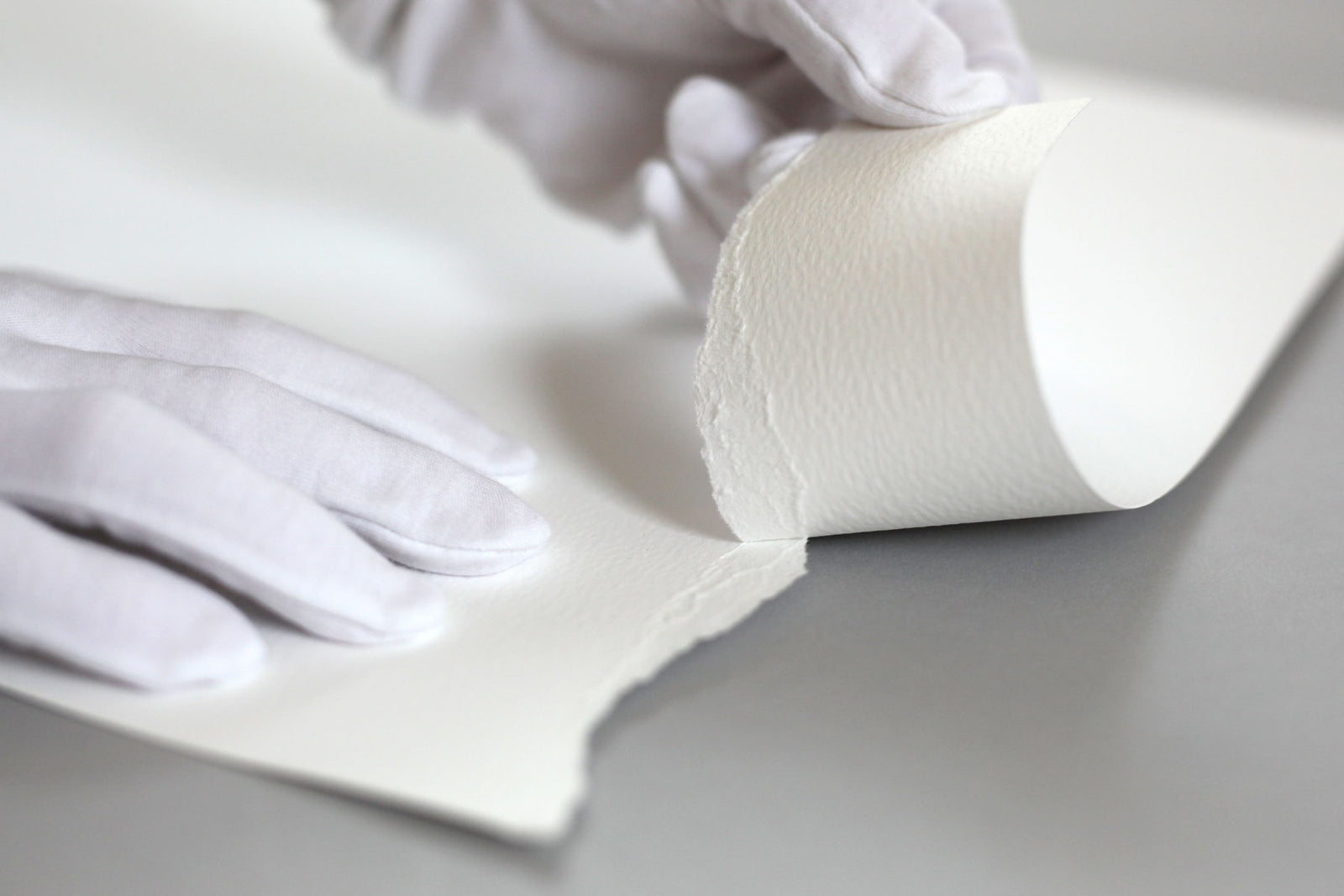


Most archival photo papers use:
-
100% cotton rag (highest grade)
-
Or purified alpha cellulose
Cotton rag papers are especially prized for:
-
Soft, luxurious texture
-
Strength and flexibility
-
Exceptional longevity
They are commonly found in fine art printing and gallery exhibitions.
3. Lignin-Free Structure
Lignin is a natural component in wood pulp that causes:
-
Yellowing
-
Discolouration over time
Archival papers are lignin-free, preventing long-term degradation.
4. Pigment Ink Compatibility
Archival prints typically use:
-
Pigment-based inks, not dye-based inks
Pigment inks sit on the surface of the paper and are:
-
More UV resistant
-
More fade resistant
-
More stable over decades
When combined with archival paper, the result can last:
-
80–200+ years (depending on storage and display conditions)
5. Optical Brightening Agents (OBAs) – Used Carefully or Avoided
Some papers use OBAs to make the paper appear brighter and whiter.
However:
-
OBAs degrade over time
-
They can cause colour shifts
Premium archival papers often:
-
Avoid OBAs entirely
-
Or use them minimally
OBA-free papers are preferred for museum-grade longevity.
How Archival Papers Differ from Standard Photo Papers
| Feature | Archival Paper | Standard Photo Paper |
|---|---|---|
| Acid-Free | Yes | Not always |
| Lignin-Free | Yes | Often contains lignin |
| Longevity | 80–200+ years | 5–30 years (varies) |
| Ink Compatibility | Pigment inks | Often dye-based |
| Price | Higher | Lower |
| Target Use | Fine art, museum | Everyday printing |
Standard consumer photo paper is designed for:
-
Albums
-
Scrapbooks
-
Short-to-medium-term display
It is not engineered for generational preservation.
Types of Archival Photo Papers
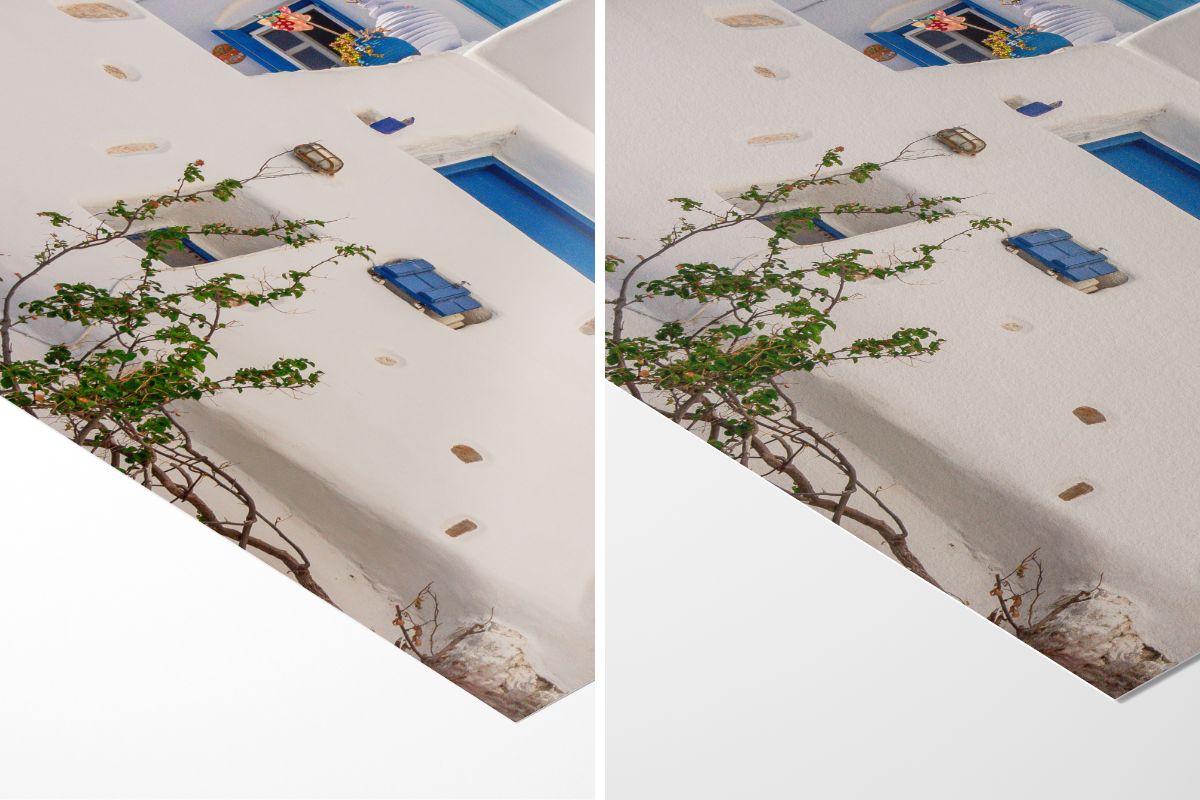
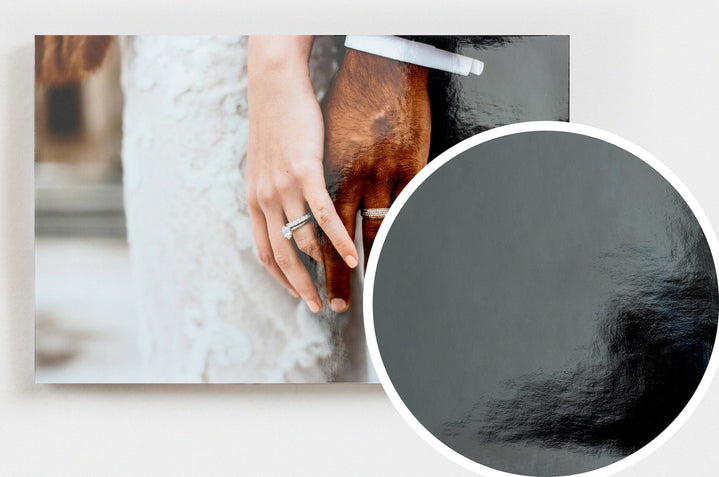
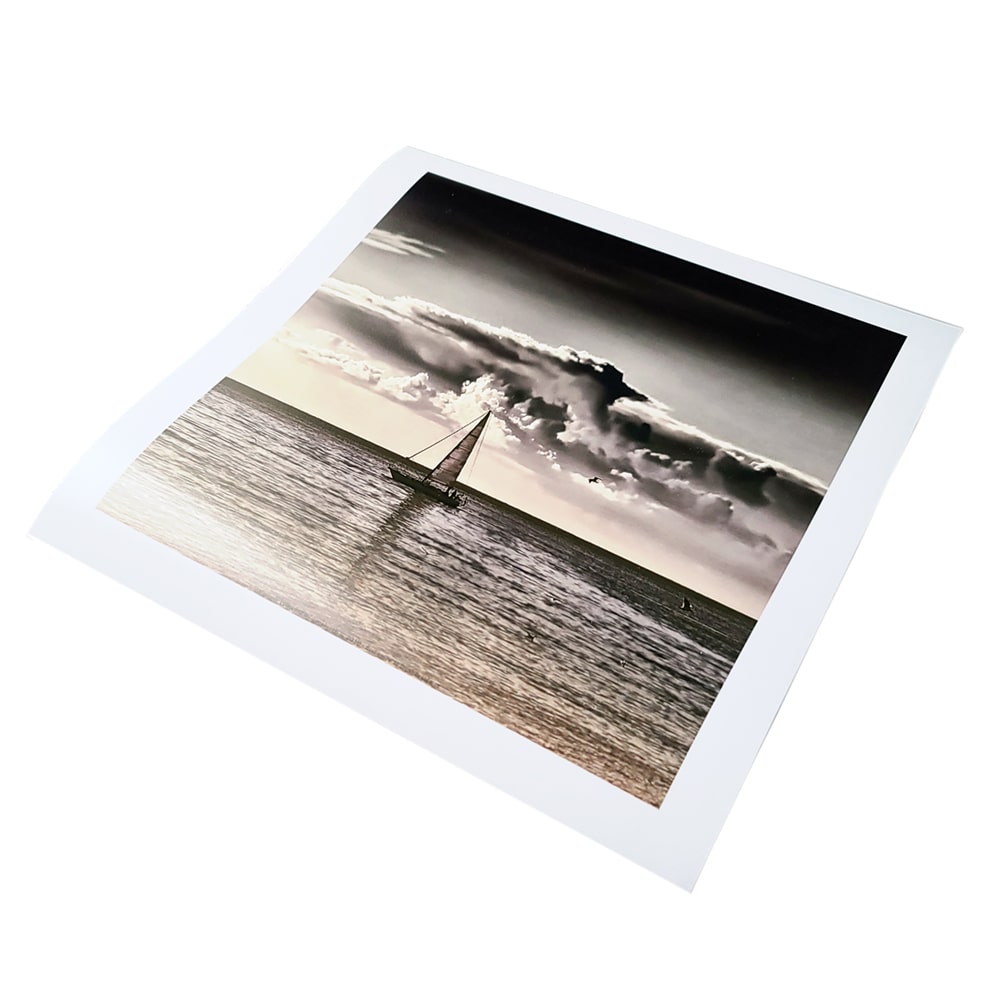
Archival papers are available in several finishes:
1. Matte Fine Art Paper
-
Non-reflective
-
Soft tonal transitions
-
Excellent for portraits and black & white
2. Glossy / Semi-Gloss
-
Higher contrast
-
Deeper blacks
-
Vivid colour reproduction
3. Baryta Paper
-
Inspired by traditional darkroom fibre paper
-
Rich depth and sharpness
-
Popular for gallery prints
4. Textured Watercolour Paper
-
Artistic appearance
-
Suitable for painterly photographs
Advantages of Archival Photo Paper
✔ Exceptional Longevity
Designed for generational preservation.
✔ Professional Appearance
Museum-quality texture and tonal depth.
✔ Greater Colour Stability
Especially when paired with pigment inks.
✔ Higher Market Value
Fine art collectors expect archival materials.
✔ Resistant to Yellowing
Maintains brightness and structural integrity.
Disadvantages of Archival Photo Paper
✖ Higher Cost
Significantly more expensive than standard paper.
✖ Requires Pigment Ink for Full Benefit
Using dye ink reduces archival lifespan.
✖ Sensitive to Handling
Cotton papers can scuff if mishandled.
✖ Storage Still Matters
Even archival paper can degrade in:
-
High humidity
-
Direct sunlight
-
Polluted environments
What Determines True Print Longevity?
Archival quality is not just about the paper. Longevity depends on:
-
Paper composition
-
Ink type (pigment vs dye)
-
Printer technology
-
Display conditions
-
Framing (UV-protective glass)
-
Humidity and temperature control
A museum-grade paper printed with low-quality dye ink will not be fully archival.
Is Archival Photo Paper Worth It?
It depends on your purpose.
Choose archival paper if:
-
You are selling fine art prints
-
You want heirloom-quality family portraits
-
You are exhibiting in galleries
-
Longevity matters
Standard paper is sufficient if:
-
Prints are temporary
-
Budget is limited
-
Longevity beyond 10–20 years is not essential
Final Thoughts
Archival photo paper is not just a marketing label — when properly manufactured, it represents a significant upgrade in durability, stability, and aesthetic quality.
For ultra-premium photographic prints, archival materials ensure that your work:
-
Maintains its colour
-
Resists yellowing
-
Survives environmental exposure
-
Preserves artistic integrity for decades
If your goal is to create prints that outlast trends — and perhaps even you — archival photo paper is the gold standard.
We offer archival matt, fine art, baryta and lustre papers for ultra premium prints.